šŸŽ§ Movies for the Mind šŸŽ§

Storytelling for Audio

What do Doctor Who, Malory Towers, and Manchester’s ALL FM 96.9’s continuing drama ā€˜Station Road’ all have in common?

Me and my love for stories that come to life through the medium of sound.

I’m thrilled to represent the University of Salford’s Northern School of Writing by running my Writing for Audio workshop ā€˜Movies for the Mind’ as part of this year’s Festival of Libraries.

Broadcasting legend Terry Wogan once said, ā€œTelevision contracts the imagination and radio expands itā€, and I agree with that statement. When I listen to an audio drama, I actively visualise the narrative I’m hearing, which will look different to the next listener and the next.

When I write for audio, I imagine one listener. That one person who is wearing a set of headphones and listening to my story. My characters, words, and chosen sounds playing into a person’s ears make writing for audio a magical, personal and intimate experience.

No costumes to consider. No sets. No huge budget. Just voices, sound, silence—and the listener’s imagination. Whether I’m dreaming up an episode of sci-fi, a school-based story, or a brand new continuing drama set in Manchester, audio storytelling is the most intimate and visual form of writing there is.

Who Am I?

Over the past few years, I’ve written for:

  • For two years, I was part of the writing team behind Station Road, a much-loved soap on ALL FM 96.8, a Manchester community radio station
  • Wythenshawe FM’s first audio nativity play A Wythenshawe Tale

I’ve learned loads about what makes audio tick—and I want to give my top tips to budding audio writers.
What You’ll Learn

In this hands-on, friendly and welcoming workshop, we’ll explore:

  • Writing dialogue that feels real and alive
  • How to create atmosphere and tension with sound cues and silence
  • Structuring stories for the ear, not the eye

Whether you’re a writer curious about audio, a podcaster looking to sharpen your storytelling, or just someone who loves a good story, this session is for you.

Event Details

šŸ“… Thursday 5 June 2025
šŸ•’ 17:00 – 19:00
šŸ“ Prestwich Library, Longfield Centre, Prestwich, Manchester, M25 1AY
šŸŽŸļø Book here

Bring your ears, ideas, pen, and love of story.

#FestivalofLibraries

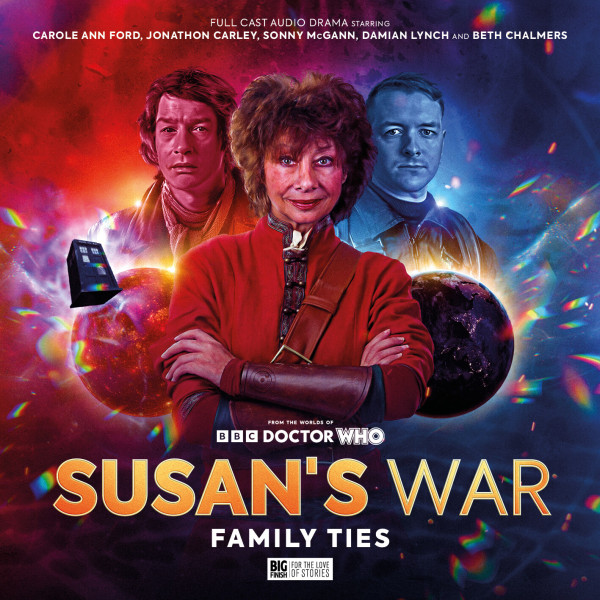
Listen to the trailer for my episode of Susan’s War Family Ties.
Summer/Autumn/Winter 2021

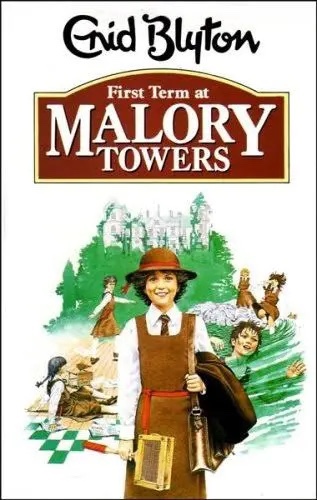
Well, if my earlier post Winter 2020/Spring 2021 was all about writing my episode of Tales from Malory Towers, then Summer 2021 was when I got to hear it for the first time. 

Hearing your words out loud for the first time is always wonderful.  

Whether that be in a rehearsal room for stage, or through my headphones on the BBC Sounds app. Both glorious, both nerve-wracking, but also bloody marvellous. Writing is such a lonely beast. The exciting part comes when the script is handed over for collaborators to do their jobs. 

I was at work when I received the email that informed me that Malory Towers was now live. I grabbed my phone and headphones. I found an empty classroom. I wanted to listen to it all on my own. I didn’t want any distractions spoiling my first listen. 

To say that I was over the moon with the production is an understatement. I was incredibly proud and still am satisfied with The Bomb. I wish I could time-travel. I want to visit Clayton Green library. Nine-year-old me used to sit there and read the Malory Towers books. I would tell her that one day she’ll write her own story for Irene, Jean and Gwendoline. It would be played out on the BBC. Lots of youngsters would also love that school. They would adore those girls like she did. 

Younger me would never believe it. Writing was something that only posh people could do. Not people who live on Clayton Brook estate. It should never have been like that. 

Straight from delivering my Malory Towers script, I sought what I hoped would be another writing commission. I was invited to pitch for an audio story. After months of finessing my treatment, I was given the go-ahead late in the year to go to script. Watch this space. 

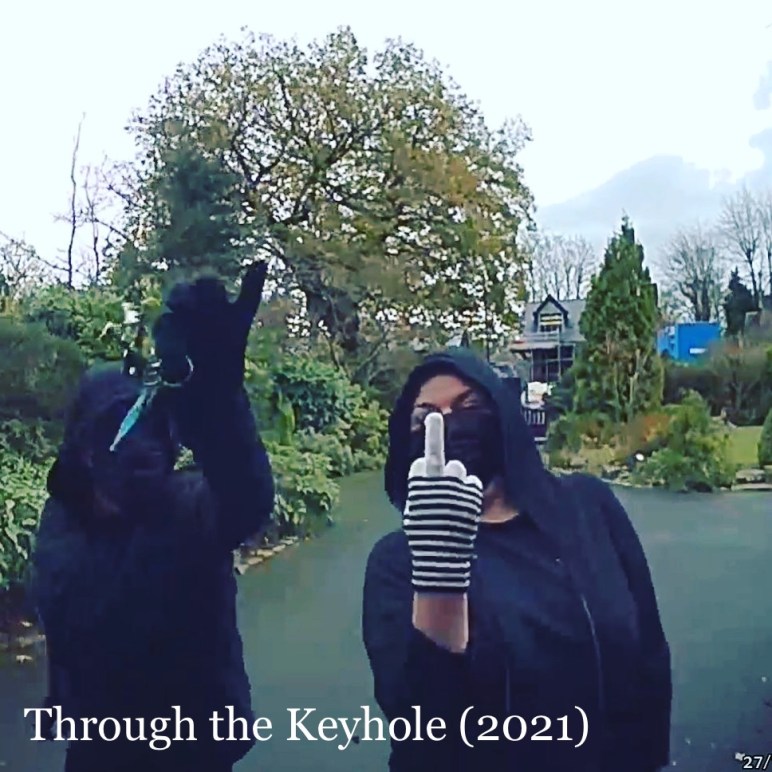
In November, I took part in a 48 Hour Filmmaking challenge at 53 Two in Manchester. Six directors collaborated with six writers. Many actors participated. A prop and a line of dialogue were essential ingredients for creating a short film. We met at 7pm on a Friday night. By 7pm on Sunday night, we watched the screening of the six films made. It was a hoot. My film is called Through the Keyhole, which can be viewed here. Ours was a small team, two actresses. My personal goal was to ensure that these actresses had a fun script to perform and that I wanted to hear laughter in the screening. Covid was a tough time, and I hadn’t heard collective live laughter in years. Mission accomplished.

Winter 2020/Spring 2021

It’s always wonderful to reflect, and that is one skill that I am good at – reflecting on little wins which I might not have sung about at the time. It’s important to take stock of accomplishments as well as rejections. Fact is, that writing generally comes with more rejections.

In the Winter of 2020 I received one of those joyful emails that only come around once in a blue moon.

I’d been invited to apply for a BBC Writersrom call-out. I was made up to be offered the opportunity to apply to be honest, but it was a short turnaround to send a script plus all the accompanying materials to support the application which are answers to a number of questions etc. I find those question and answer things tough. I never know what to say with them. You don’t want to appear too confident but also don’t want to sound like an amateur. I overthink every single one of those call-outs.

Turns out if you contract the delta variant of Covid and are very poorly, you don’t overthink anything as your brain is as foggy as mornings in San Francisco Bay.

I was delighted to receive the email notifying me that I was being offered a place on the BBC CBBC New Voices Festival in the November of 2020.

Two whole days of back to back industry panels, workshops and the opportunity to pitch for a number of CBBC commissions. It was a fantastic festival, and I was thankful for it being online as I was still suffering from covid. In fact that first infection took 5 months to fully recover from.

I applied for a couple of commissions on kids TV shows, and a new podcast for Malory Towers to accompany the television series.

It was the Malory Towers one that I wanted more than anything. I was a huge fan of the books as I grew up. Spending Saturdays in Clayton Green library reading all about Darryl, Gwen and Mary-Lou. And audio is a medium I feel so comfortable writing for. The many episodes I’d written for ALL FM’s soap ‘Station Road a number of years earlier had made their mark on me as I found visualising storytelling in sound rather than pictures something those weekly read-throughs of Station Road had ingrained in me.

So I set to work and watched series one of Malory Towers on CBBC. I took notes of all the characters, their flaws, how they spoke, their relationships and I re-visited the original books by Enid Blyton. I sent two pitches for that show and crossed my fingers over Christmas that I might get one of them.

I could not believe it when the acceptance email came back from BBC Writersroom to say that my pitch for ‘The Bomb’ had been chosen as one of the twelve. Like I said, writing is mostly being rejected unless you’re a big name like Sally Wainwright or Danny Brocklehurst (although they probably still receive the odd rejection to a pitch). The idea for The Bomb came from our opening episode of Station Road where an unexploded bomb is found in the local park. We used it as a tool to introduce characters quickly. I had this concept of Irene finding a bomb in the school grounds and I also had a strong image of Gwendoline’s brush being thrown out of a bedroom window with a lacrosse stick. All I needed now was a story.

This leads onto Spring 2021 where I found myself writing a treatment and three drafts of The Bomb for King Bert Productions. I enjoyed every second of the process. Audio is a dream for me. I’ve been a huge fan of radio drama since listening to it whilst doing my MA. Then I discovered podcasts in 2014 on a train heading down to London Screenwriters Festival and listened to this new show that people were starting to talk about called Serial. I was hooked. This medium of storytelling felt fresh, exciting and full of possibilities.

At the same time as writing The Bomb, I was also working full-time and in the last months of my two-year PGCE. So many deadlines and pressures around that time which is when I discovered London Writers Salon‘s Writers Hour. It was simple, turn up on zoom and write for 50 minutes alongside writers from all over the world. It was and still is a fantastic accountability partner. I turned up for their 8am and 1pm Writers Hour over two months whilst I got my draft 2 and final draft written for Malory Towers.

We were also still suffering with covid lockdowns over this period too. Thank goodness that I could lose myself at Malory Towers for a couple of hours a day. It was way more fun hanging out with Irene and Jean than it was watching Boris’ daily covid briefings.